

Winning Isn’t the Problem. Obsession Is.
The hidden cost of youth sports culture.

After 500 hours in volleyball gyms over the last six weeks, I’ve come to a controversial conclusion: youth sports are too focused on winning. And it’s costing our kids more than we realize.
Not because winning is bad. Winning is fun. It satisfies our competitive drive. I’ve felt the pull myself — studying my son’s 12U soccer standings to calculate odds of promoting to the higher level, celebrating my eighth grader’s undefeated basketball season. Winning feels good.
But obsession with winning erodes the very benefits youth sports are supposed to provide — including love of the game.
You can see the dark side on the sidelines: parents screaming at 12-year-old referees, hurling insults at children who haven’t even hit puberty. Winning is intoxicating. And like anything intoxicating, it feeds our worst instincts.
It’s also not working.
Kirsten Jones, author of the book and Substack, Raising Empowered Athletes, recently outlined the contrast between youth sports in Norway and the United States.
Norway — a country of just 5.6 million people and a dominant force in the Winter Olympics — builds youth sports around a national philosophy of “Joy of Sport for All.” They emphasize multi-sport play, delay rankings and championships until the teen years, limit travel teams, keep sports affordable, and give kids real decision-making power in their athletic journeys.
In the U.S., we’ve mostly mastered one thing: prioritizing the win.
If our goal is to develop resilient, durable, high-performing athletes, we may have this backward.
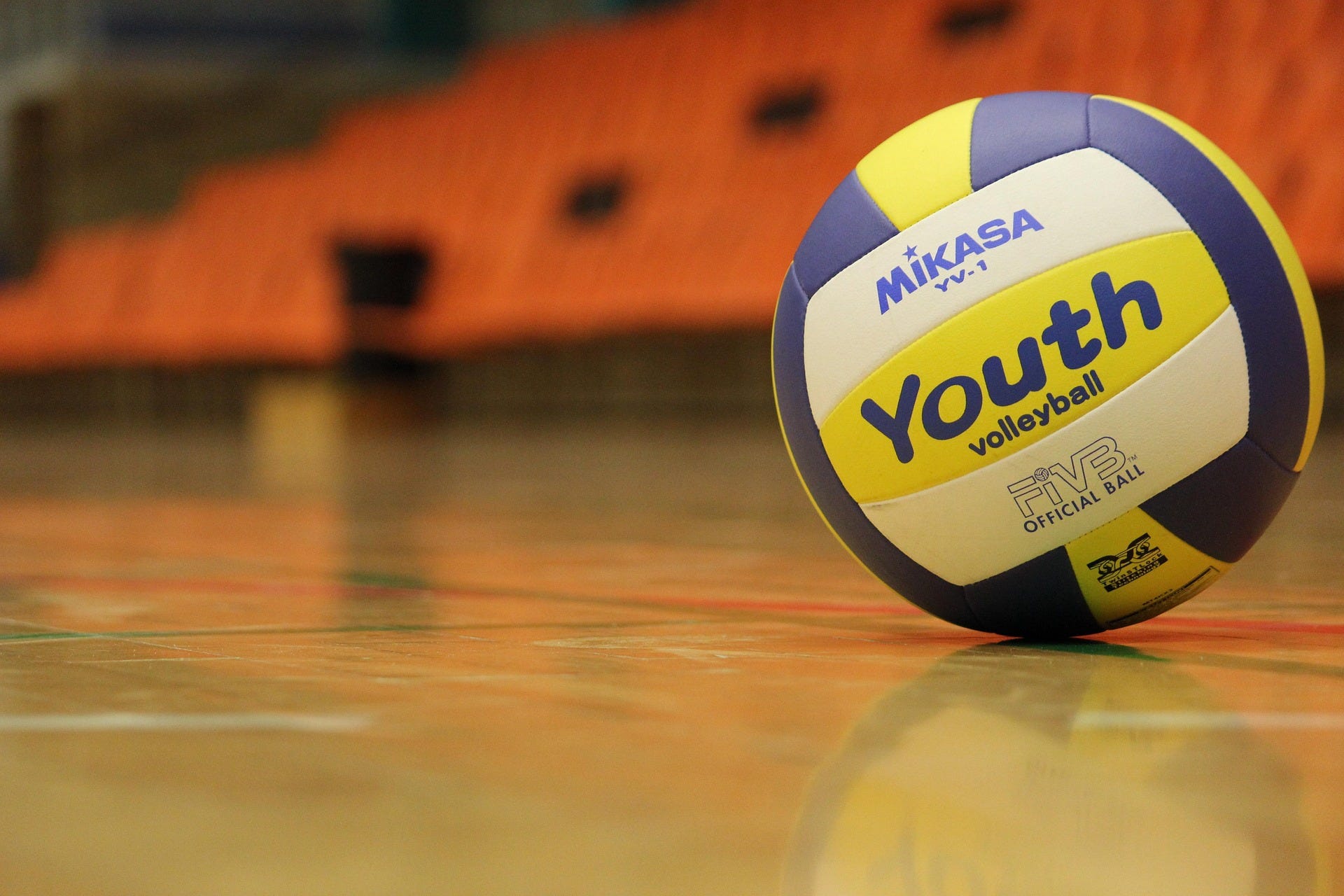
Bump, Set, Spike, WIN
Back to volleyball.
My daughter’s team is struggling. That is, if you look at the record. If you watch them play, you see remarkable improvement — better flow, stronger communication, moments of brilliance, hard-fought comebacks. But the standings show losses.
I consider myself a “growth mindset” parent. I talk about effort over outcome, process over score. Yet before the second day of her fourth tournament weekend this year, my daughter said, “I just want to win.”
She had just switched into a new position and played so well that an opposing coach complimented her. Still, the only thing that seemed to matter was the final score.
If they don’t win, none of that growth seems to count.
I don’t blame her. She swims in a culture that equates winning with worth. Medals. Promotions to higher levels. Instagram posts celebrating only teams with winning weekends. The message is relentless: if you win, you matter.
As a psychologist, I find this deeply troubling.
When winning becomes synonymous with worth, it creates pressure. And pressure doesn’t enhance performance — it undermines it.
I’ve watched this dynamic play out in real time on the soccer field and volleyball court. And the science behind it — the same research I explored in my book on Autonomy-Supportive Parenting — backs it up.
Structure for the Win
The science of motivation is clear: pressure may produce short-term compliance or performance, but it often erodes long-term internal drive. What sustains motivation isn’t pressure — it’s structure.
Pressure says: Your value depends on this.
Structure says: Here’s how you grow.
What structure looks like: Coaches who provide clear guidance for skill development. Regular practices. Constructive feedback. Personal goals. Accountability without humiliation.
Pressure shows up as demoralization (“What were you thinking?”) and threats (“If you play like that, we’re leaving” — which I have actually overheard twice, once from a parent and once from a coach). Structure shows up as instruction and support.
The irony is painful. Our culture prizes winning, yet youth sports in the U.S. are increasingly powered by the very factors that undermine performance: higher pressure at younger ages and heavy reliance on external motivators — rankings, trophies, scholarships, highly invested parents.
External motivation crowds out internal motivation. Over time, that erosion has consequences.
We see it when a teenager quits after years of private lessons and travel tournaments, realizing they’ve been playing for everyone but themselves. We see it when a high-performing athlete earns a Division I offer — and feels nothing but exhaustion.
If youth sports are about producing professional or D1 athletes, 99.99% of kids are set up to fail. If they’re about creating dominant superstars, we’re paving a path toward burnout and identity crises.
If we celebrate only winning, we are part of the problem.
“How Did They Play?”
I’ve experimented with asking a different question after a competition. Instead of “Did they win?” or even the more benign “How did the game go?” I ask, “How did they play?”
Still, the answer is the score.
We are conditioned to believe those points are all that matter.
Last weekend, during one set, I chose a seat where I couldn’t see the scoreboard. It was the most enjoyable stretch of the entire tournament. Without the score dictating my emotional state, I noticed everything else — the team rhythm becoming more harmonious, the scrappy saves, the resilience after a mistake.
The final score said loss.
But I witnessed dozens of small victories.
If youth sports were truly about development — athletic and personal — those victories would count just as much.
Maybe the shift starts small. Maybe it starts with the questions we ask, the praise we offer, the metrics we celebrate.
If we measured growth instead of wins, what would youth sports look like then?
Openings in 2026!
I want to welcome my 2,000+ new subscribers over just the last 30 days! I don’t know what algorithmic magic this is, but I’ll take it. For once, an algorithm seems to actually be rewarding rather than punishing me.
With all my new readers, I want to share again that I recently launched my own therapy and parent coaching practice. I have had several people reach out who know me because of reading this Substack, and it’s been really cool to have this as a foundation for our work together.
Check out my website for more information about services. Some quick info:
THERAPY: I am authorized via PsyPact to practice therapy across state lines in participating states. Although my Substack reflects my parenting expertise, I have extensive experience in other areas including chronic illness, grief and loss, and anxiety.
I customize parent coaching for each client: we could meet only once to address a specific concern or we could meet weekly for several weeks, or something in between. I’m flexible!
I am open to running small groups if we have 2-4 people. In the past, we’ve focused these groups on parenting ADHDers. Let me know if you would be interested — invite a friend and we have an instant group!
If you’re interested in more info, email me at emily@emilyedlynnphd.com
In parenting solidarity,

Great piece! I also wouldn’t underestimate the influence of for-profit and private equity owned leagues in driving the culture of winning and many of the auxiliary problems you mentioned. Sounds like Norway sees sports as a public good, not a profit center, which makes a huge difference.
Great piece, Emily. One thing that I think also eats away at kids' ability to recognize and celebrate growth and development in youth sports is that most club teams are made up of kids in the same grade/high school graduation year. Teams in high school (and college, if kids get that far) are composed of players across four years, who have different ways of relating to the game, different/more evolved skills, and different histories of playing with the team. A 9th grader can learn so much from watching juniors and seniors play, and playing alongside them! But too many club teams suck up all the oxygen and make the high school team -- and all of the opportunities it might offer for SEL, not just winning-- an afterthought.